
Moving from California to Texas is the most common move out of the state. About 77,000 people made it in 2024, according to U.S. Census Bureau state-to-state migration estimates, more than went anywhere else. The usual reasons are house prices and no state income tax.
This guide covers what changes when you get there, how the four big metros differ, when to schedule the move and what the trip involves from the Central Coast. For the mileage table, pricing and how we run the route, see our California to Texas movers page. If you haven’t settled on a state yet, start with our moving out of California guide.
What changes when you move to Texas
Housing is the big one. The typical Texas home is worth about $296,000, against about $762,000 in California (Zillow, September 2026). Austin is the priciest large metro at around $492,000, and that is still well under most of coastal California.
Texas has no state income tax. California’s top rate is 13.3%, so higher earners notice the difference in the first paycheck.
Property tax goes the other way. Texas rates are higher than California’s, where Proposition 13 limits how fast a bill can rise. On a cheaper house the yearly bill can land close to what you paid before, so run the numbers on a specific address before you assume savings.
Gas and electricity generally cost less. Summer air conditioning takes some of that back.
Where Californians land in Texas
Austin
Austin is the tech town. Tesla, Apple, Google, Meta and Oracle all have large operations here, and the music and outdoor culture feels familiar to people coming from the Bay Area. Growth has pushed prices above the other Texas metros. Round Rock, Cedar Park and Georgetown are where buyers look when the city itself is out of range.
Dallas and Fort Worth
The largest metro has the widest choice of jobs and neighborhoods. AT&T, Southwest Airlines, American Airlines, Toyota North America and Charles Schwab are based in the area, and Lockheed Martin builds the F-35 in Fort Worth. Families tend to look north at Plano, Frisco, McKinney and Southlake for the school districts. DFW airport makes trips back to California easy.
Houston
Houston runs on energy and medicine. The Texas Medical Center is among the largest in the world. Housing is affordable across most of the metro. The summers are hot and humid, which is a bigger adjustment than most people from the coast expect.
San Antonio
San Antonio is the most affordable of the four and moves at a slower pace. The economy leans on the military and healthcare, and the city’s Spanish colonial history is still visible downtown along the River Walk.
When to schedule the move
May through September is peak season for long-distance moves. Book six to eight weeks ahead if you need a summer date, and earlier if your move has to line up with a school start.
April and October are easier to book. November through March has the most open dates. Interstate 10 across the south is usually clear all year. Interstate 40 toward Dallas can get winter weather in northern Arizona, New Mexico and the Texas panhandle.
What the move involves from the Central Coast
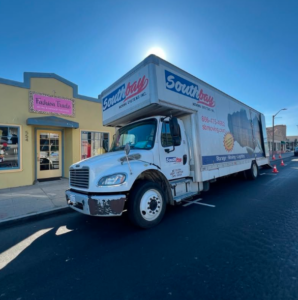
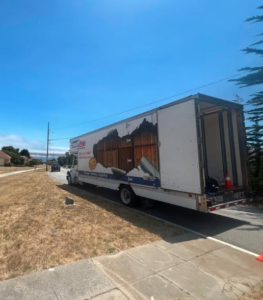
Our crews pack and load out of Salinas. From there it’s about 1,100 miles to El Paso, about 1,650 to Dallas or San Antonio, and about 1,850 to Houston. That is 24 to 28 hours behind the wheel, or three long days with a fourth if the driver takes an extra rest day.
Drive time and delivery time are different things. Your delivery window is confirmed in writing when you book.
Our route page puts a full-service move at about $3,800 for a one-bedroom apartment and about $8,500 for a four-bedroom home. Your own price comes after a survey, in person or by video, and you get it in writing with packing, storage and access charges listed.
Whoever you hire, ask which kind of estimate you’re getting. A binding estimate locks the price. A non-binding one is based on the final weight. A binding not-to-exceed estimate means you pay the lower of the two.
You can check any interstate mover’s USDOT number on the FMCSA Protect Your Move site. Our interstate moves run as an authorized agent of National Van Lines, USDOT 2967929.
Basic coverage on an interstate move pays 60 cents per pound. A damaged 25-pound TV would be worth $15, so ask about full-value protection before you sign.
Your first 90 days in Texas
Texas has a set order. Get Texas car insurance first, then register your car at the county tax office within 30 days. You have 90 days to get a Texas driver license at a DPS office. The Texas DMV lists what to bring.
If you buy a home, ask the county appraisal district what the tax bill was last year. It surprises people who are used to California.
Plan your California to Texas move
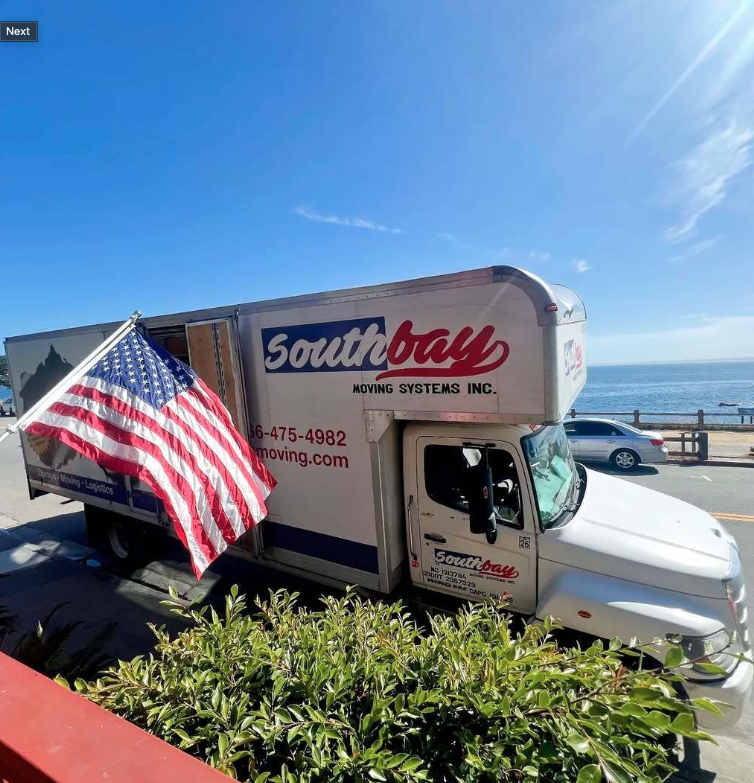
Southbay Moving Systems has moved California families since 1991. Our long-distance movers handle the packing, the drive and storage if your Texas home isn’t ready. Request a free estimate and we’ll survey your home and put the price in writing.