Packing your entire house can feel overwhelming, but the right approach makes all the difference. We at Southbay Moving Systems have helped thousands of families master the best way to pack house for moving.
The key lies in having the right supplies, following proven room-by-room strategies, and using time-saving techniques that professional movers rely on.
Essential Packing Supplies and Materials
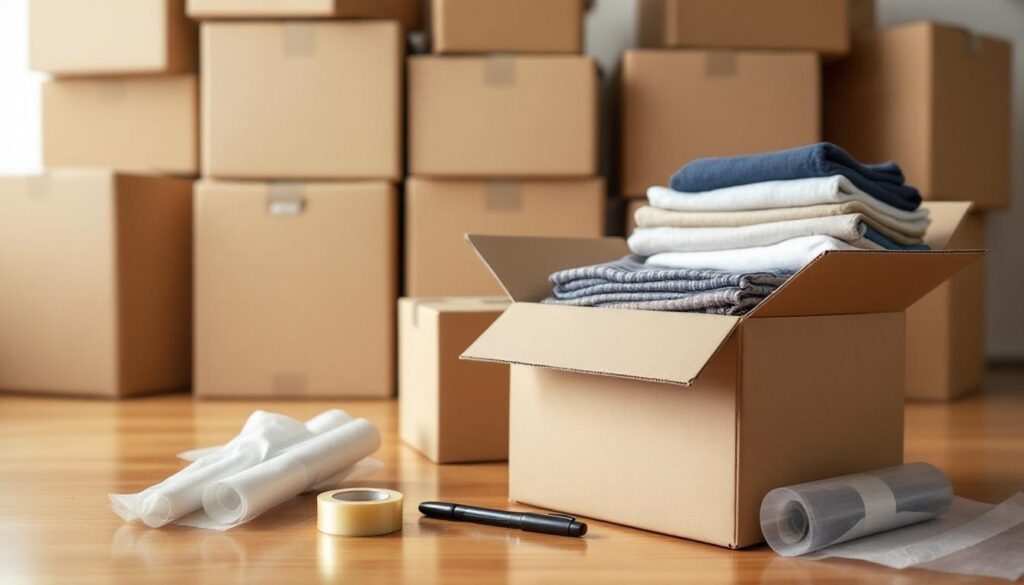
Professional movers know that the right supplies make the difference between a smooth move and a disaster. Having adequate packing materials is vital for success, as proper preparation prevents damage during transport.
Boxes in Various Sizes and Strengths
Medium boxes that measure 18 by 14 by 12 inches work best for most items. These boxes hold up to 65 pounds while one person can still lift them safely. Small boxes handle books and heavy items, while large boxes accommodate lightweight bulky items like pillows and linens.
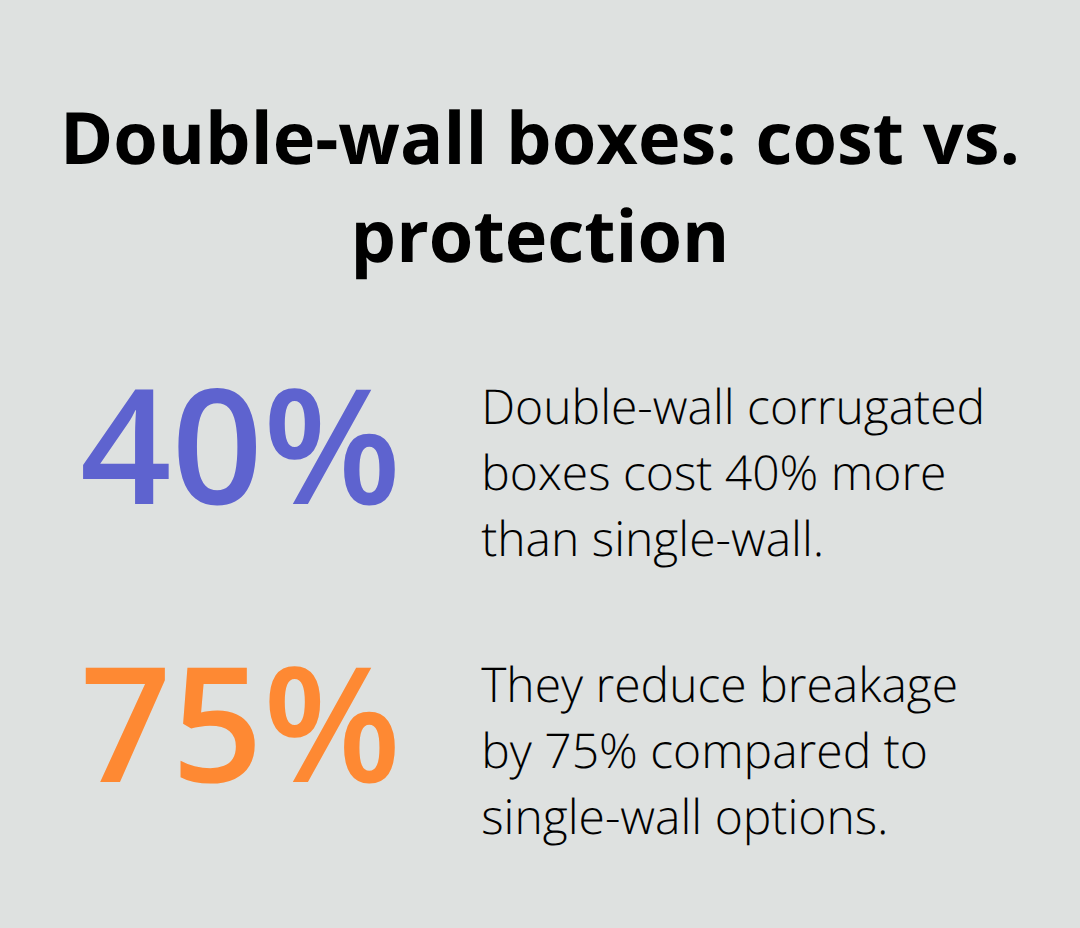
Professional movers choose double-wall corrugated boxes for fragile items. These boxes cost 40% more but reduce breakage by 75% compared to standard single-wall options. Wardrobe boxes eliminate the need to fold clothes and prevent wrinkles during transport (saving hours of ironing later).
Protective Materials for Fragile Items
Bubble wrap remains the gold standard for fragile protection, but newspaper works for non-breakable items. Moving blankets protect furniture surfaces and cost less than specialized furniture pads. Stretch wrap secures drawers and cabinet doors without residue.
Professional movers use one roll of packing tape per 15 boxes, so calculate your needs accordingly. Packing paper prevents ink transfer that newspapers cause on dishes and glassware. This investment pays off when your valuables arrive intact.
Labeling and Organization Tools
Color-coding systems help organize your move efficiently. Different colored tape or stickers work for each room designation. Permanent markers with thick tips stay visible during handling and transport.
Moving apps like Sortly help track box contents with photos (eliminating guesswork during unpacking). Number each box and maintain a master list that shows contents and destination room. This system prevents hours of searching through dozens of boxes for essential items.
With your supplies ready, the next step focuses on tackling each room with proven strategies that maximize efficiency and minimize damage.
Room-by-Room Packing Strategies
The kitchen demands the most careful approach because it holds more breakable items than any other room in your home. Pack plates vertically like records in dish packs and wrap each piece individually in paper. Never stack plates flat as this creates pressure points that cause cracks.
Kitchen and Fragile Items Protection
Heavy items like canned goods go in small boxes that weigh no more than 50 pounds when full. Professional movers pack one dish per sheet of paper and fill empty spaces with crumpled paper to prevent movement during transport. Wrap glasses individually and nest them in divided boxes for maximum protection.
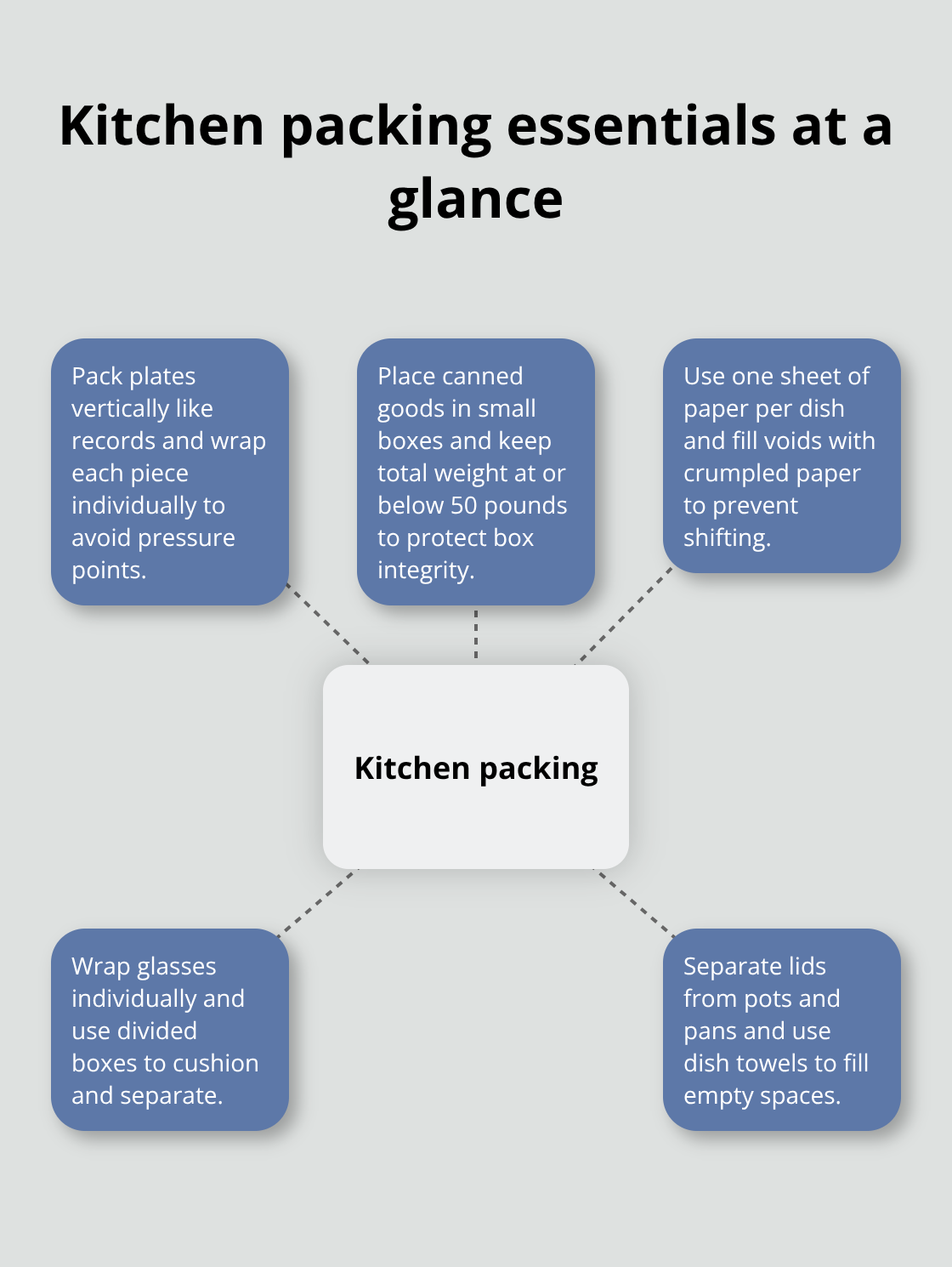
Pack pots and pans with their lids separated to prevent scratches (and fill empty spaces with dish towels).
Bedroom and Clothing Organization Methods
Wardrobe boxes transport clothes without folding, which eliminates 3-4 hours of ironing after your move. Leave clothes on hangers and transfer them directly into these tall boxes. Dresser drawers can stay packed with lightweight items like socks and underwear, but remove heavy items to prevent furniture damage.
Roll t-shirts and casual clothes instead of folding them to save 30% more space in regular boxes. Pack shoes in their original boxes when possible, or stuff them with socks to maintain their shape and maximize box efficiency.
Living Areas and Electronics Protection
Take photos of all cable connections before you disconnect electronics, as this saves hours of troubleshooting during setup. Original boxes provide the best protection for televisions and computers, but moving blankets wrapped with stretch wrap work as alternatives. Pack consoles and stereo equipment in their original foam inserts when available.
Remove batteries from remotes and small electronics to prevent corrosion damage during transport. Professional movers recommend climate-controlled vehicles when temperatures exceed 85°F or drop below 32°F (as extreme temperatures damage LCD screens and hard drives).
These room-specific strategies form the foundation, but smart timing techniques can cut your total preparation time in half.
Time-Saving Packing Techniques
Professional movers start packing non-essential items 8 weeks before moving day, which reduces stress according to the American Moving and Storage Association. Start with seasonal decorations, holiday items, and rarely used kitchen appliances that collect dust in cabinets. Books from guest bedrooms and basement storage areas should follow within the first two weeks. This early start prevents the common mistake of trying to pack everything during the final week, which leads to damaged items and forgotten belongings.
Pack Non-Essential Items Weeks in Advance
Target guest rooms and formal dining areas first since these spaces see minimal daily use. Pack artwork, collectibles, and specialty kitchen gadgets that you won’t need for two months. Office supplies and extra linens can go into boxes six weeks before your move date. This approach leaves you with only daily essentials during the final week, which makes the last-minute rush manageable and organized.
Use Clothing and Linens as Padding
Clothing and linens work better than bubble wrap for protecting dishes and glassware. T-shirts wrapped around wine glasses provide cushioning while maximizing space efficiency. Towels fit perfectly between stacked plates, and socks protect fragile ornaments without additional material costs. This technique saves money on packing supplies for an average three-bedroom home while using items that need packing anyway (professional movers pack frozen foods in coolers during the final 30 minutes before departure to prevent spoilage during transport).
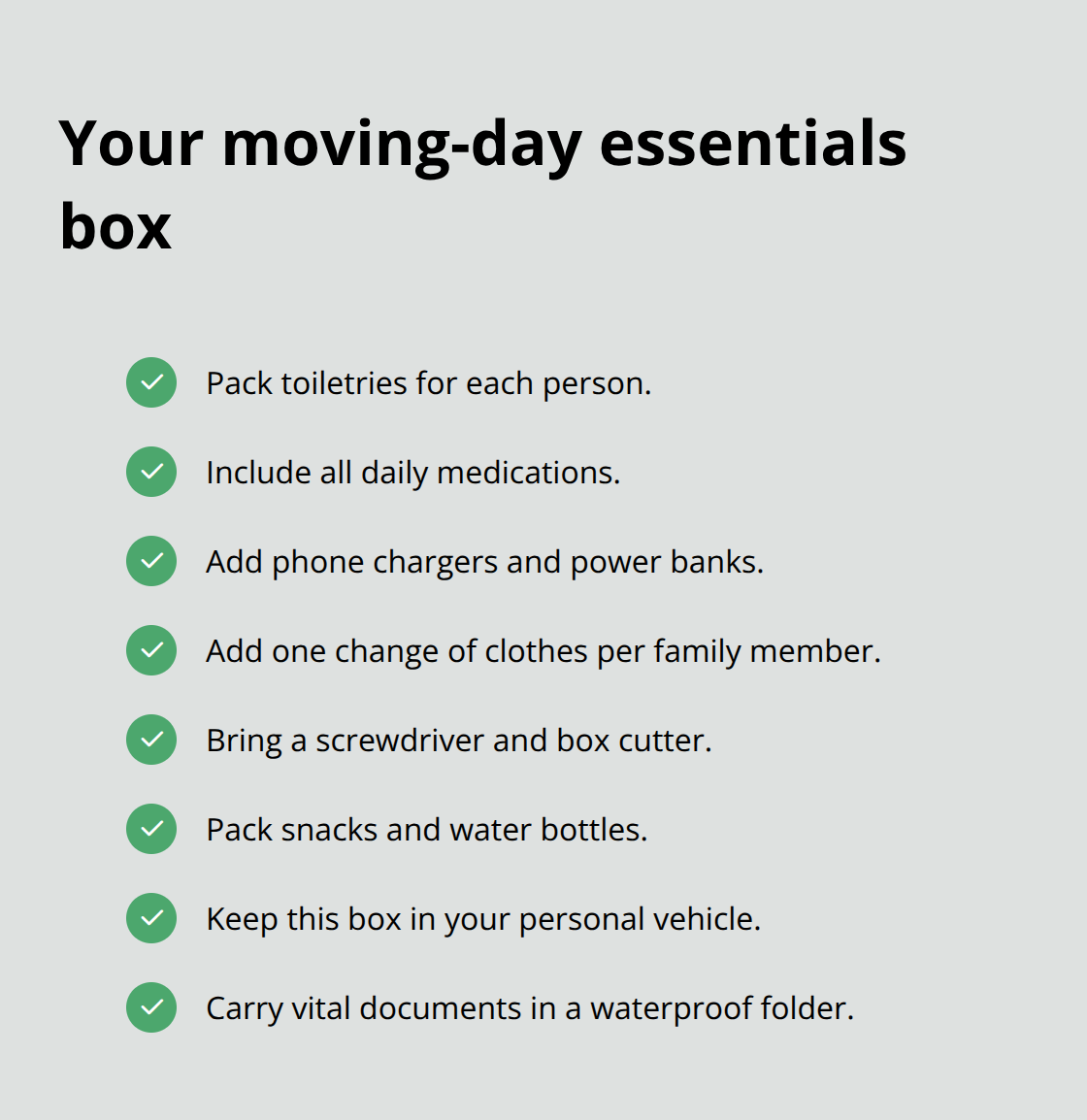
Create an Essentials Box for Moving Day
Pack one clearly marked essentials box that contains toiletries, medications, phone chargers, and one change of clothes per family member. Include basic tools like a screwdriver and box cutter, plus snacks and water bottles for the moving crew. This box travels in your personal vehicle, not the moving truck, which provides immediate access to necessities. Add important documents like passports, birth certificates, and moving contracts to a separate waterproof folder that stays with you throughout the entire process (this prevents delays when you need to access critical paperwork).
Final Thoughts
Efficient house packing combines proper supplies, strategic room-by-room approaches, and smart timing techniques. Medium boxes handle most items safely, while protective materials prevent damage to fragile belongings. Start with non-essential items 8 weeks early to reduce stress and prevent last-minute chaos.
The best way to pack house for moving involves using clothing as padding, creating detailed inventory systems, and maintaining an essentials box for immediate needs. These proven strategies protect your belongings while streamlining the entire process. Professional packing services offer significant advantages for busy families who want expert handling of their possessions.
We at Southbay Moving Systems provide comprehensive packing services that eliminate the guesswork and physical strain of preparing your entire home. Our team handles everything from delicate items to complete household relocations with personalized attention. Proper planning and the right support transform your move from overwhelming to manageable (while protecting your belongings and preserving your peace of mind).