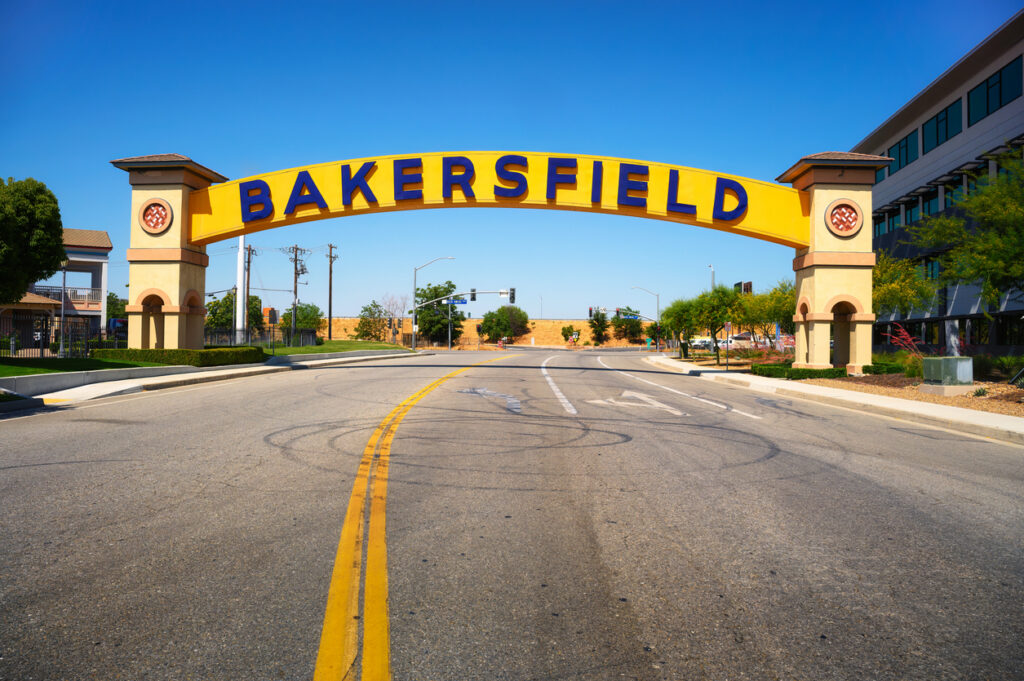
Bakersfield doesn’t get the press that Los Angeles, San Francisco, or San Diego do — but for a growing number of California residents, that’s exactly the point. The state’s ninth-largest city sits in the southern end of the Central Valley, about two hours north of LA, and it offers something increasingly rare in California: affordable housing, a real job market, and a shorter commute than most Bay Area or LA workers know is possible. Whether you’re leaving the coast to stretch your budget, relocating for work at Kern County’s energy or healthcare sectors, or moving your family somewhere your paycheck goes further, Bakersfield is worth a serious look.
This guide covers what to expect when you move to Bakersfield, CA — the cost of living compared to coastal California, the neighborhoods worth focusing on, the job market, the weather (yes, we’ll be honest about the summers), and how to choose a moving company that actually knows the Central Valley.
Bakersfield at a Glance
Bakersfield is the county seat of Kern County and home to just over 400,000 residents inside the city limits, with the greater metro area pushing past 900,000. It sits at the southern end of California’s Central Valley, hemmed in by the Tehachapi and San Emigdio mountains to the south and the Sierra Nevada to the east. Downtown is a straight shot up Highway 99 or Interstate 5 from Los Angeles — most trips clock in at just under two hours in normal traffic.
The city has deep agricultural and oil roots (Kern County still produces the majority of California’s oil), but the last decade has brought meaningful diversification into healthcare, logistics, warehousing, and, more recently, remote work as coastal Californians relocate for cheaper housing. The pace is slower than the Bay Area or LA. That’s a feature, not a bug, for most people who move here.
The Cost of Living Advantage
The single biggest reason people move to Bakersfield is money. Housing costs in Bakersfield run dramatically lower than anywhere on the California coast. Median home prices sit in the mid-$300,000s — roughly a third of what a comparable house costs in the Bay Area and half of what you’d pay in most of LA. Rent tells the same story: a two-bedroom apartment that costs $3,500+/month in San Jose or San Francisco often rents for $1,400–$1,800 in Bakersfield.
For CA-to-CA movers coming from coastal cities, this shift alone can add hundreds of dollars to your monthly savings, sometimes over a thousand. Rent data platforms like RentCafe consistently rank Bakersfield among the most affordable metros in the state. Groceries, utilities, and gas run close to the state average — the housing gap is where the real savings live.
If you’re weighing the numbers before committing, our moving cost calculator can give you a realistic estimate for the move itself, on top of your new-home budget.
Best Neighborhoods to Consider
Bakersfield is spread out. Where you land makes a big difference in your daily experience — commute, schools, walkability, the feel of the streets. Here’s how to think about the main areas.
For Families: Seven Oaks, Rosedale, Silver Creek
Seven Oaks and Silver Creek on the west side offer newer construction, top-rated schools, and quiet residential streets. Rosedale, just northwest of the city, gives you slightly more space and a small-town feel while still being 15 minutes from downtown. If you’re relocating with school-aged kids, these three neighborhoods consistently show up on shortlists. Our guide to the best California cities for families is worth a read for context on how Bakersfield stacks up statewide.
For Young Professionals: Downtown, Westchester, and Oleander
Downtown Bakersfield has been quietly revitalizing over the past decade — better restaurants, a walkable arts district, and the Rabobank Arena for concerts and events. Westchester and Oleander sit just west of downtown with a mix of historic craftsman homes, tree-lined streets, and short commutes to Bakersfield College and Cal State Bakersfield. If you want density and character over suburban space, start here.
For Retirees and Quiet Suburban Living: Riverlakes and Northwest Bakersfield
Riverlakes offers established, well-maintained neighborhoods with mature landscaping, low turnover, and easy access to the Kern River Parkway trails. Northwest Bakersfield in general skews quieter and more residential. Both areas are popular with retirees and empty-nesters coming from more expensive California markets.
The Job Market and Commute Reality
Kern County remains the largest oil-producing county in California, and the energy sector still anchors a big chunk of local employment. Alongside that, healthcare has grown significantly — Bakersfield Memorial, Adventist Health, and Kern Medical are among the region’s biggest employers. Agriculture continues to shape the economy, especially in the fringe communities around the city, and logistics and warehousing have expanded thanks to Bakersfield’s position between LA and the Bay Area on Highway 99.
Remote workers have been the newest addition to the workforce. If your job doesn’t require an office, you can trade a $3,500/month Bay Area rent for a $1,600/month Bakersfield rent and pocket the difference. That math has driven a real influx of remote and hybrid workers from San Jose, Oakland, and coastal LA neighborhoods over the last few years.
Commutes inside Bakersfield are refreshingly short by California standards — most cross-town drives take 15–25 minutes, not the 45–90 minutes coastal residents are used to. If your work still occasionally pulls you to LA, plan for a two-hour drive each way and factor in Grapevine weather (the Grapevine stretch of Interstate 5 can close briefly during winter storms).
Weather and Air Quality — What to Expect
Bakersfield summers are hot. Not “coastal California warm” — actually hot. Expect stretches of 100°F+ from June through September, with a handful of days above 110°F most years. Winters are mild, with lows in the 40s and daytime highs in the 60s. Rain is rare and usually falls between November and March.
Air quality is a real consideration and worth being upfront about. The Central Valley’s geography traps particulates, and the American Lung Association regularly ranks Bakersfield among the more air-challenged US metros, particularly in late summer and early fall. Most residents adapt with routine monitoring (apps like AirNow work well) and by keeping air purifiers at home. If you or someone in your household has significant respiratory issues, it’s worth building this into your neighborhood decision — the west side generally sees better air movement than areas closer to the refineries and freeways.
Best months to actually move: spring (March–May) and fall (October–November). Cooler temperatures make loading and unloading dramatically easier for you and your movers.
Your First Month in Bakersfield: Practical Checklist
A few things worth doing in your first few weeks:
- Update your address with the California DMV within 10 days of moving — this is legally required for in-state moves. You can do it online at dmv.ca.gov.
- Register to vote at your new address — Kern County registration is separate from your old county.
- Get familiar with Highway 99 vs Interstate 5. Highway 99 runs straight through Bakersfield; I-5 is the faster (but less scenic) route for trips north or south.
- Explore the Kern River Parkway — miles of trails along the river, one of the best (and free) local amenities.
- Find your primary care doctor and dentist early. Bakersfield has plenty of options but wait times can stretch weeks if you delay booking.
- Check out downtown on a weekend — the First Friday art walks and the surrounding restaurant scene will give you a truer read on the city than the freeway view suggests.
Choosing a Moving Company for Your Bakersfield Move
Whether you’re moving from within California or coming from out of state, a few things matter more than average when you’re headed to the Central Valley:
- Local knowledge of Central California routes. The stretch of Highway 99 through Bakersfield, Fresno, and Modesto is a workhorse corridor. Movers who run it regularly know timing, weigh stations, and heat management for summer moves.
- Licensed for intrastate CA moves. California’s Public Utilities Commission (CPUC) regulates in-state moving companies. Any legit CA mover will have a CAL-T number they can show you. Long-distance interstate moves are regulated separately by the FMCSA (US DOT number).
- Insurance and valuation options that fit your load. Standard released valuation coverage pays 60 cents per pound of item — meaningfully less than replacement value. Ask about full-value protection for anything you’d genuinely miss.
- Realistic timing for the season. Summer books out fastest. If you’re planning a June, July, or August move, reach out at least 4–6 weeks ahead.
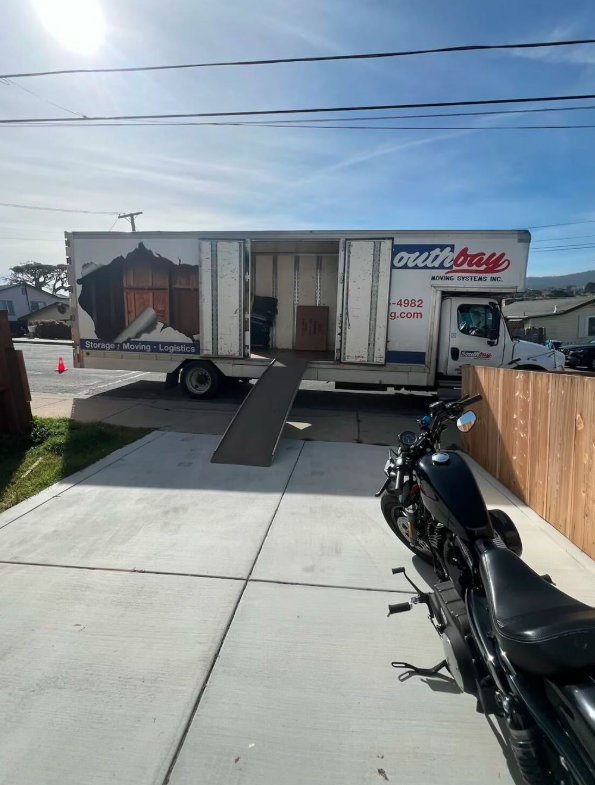
At South Bay Moving Systems, we’ve been running Central California moves for years — Bakersfield, Fresno, Modesto, Stockton, Salinas, and everything up and down Highway 99. Our crews know the region, the freeway timing, and the practical realities of moving in Central Valley heat. If you’re relocating from further afield in California, our Salinas moving service page gives a sense of how we operate; the same team and equipment handles Bakersfield-bound loads.
Ready to Plan Your Move?
Bakersfield offers a genuine trade — smaller-city pace and dramatically lower housing costs in exchange for hot summers and a slightly slower cultural scene than the coast. For a growing number of Californians, that trade is worth making. And if you’re weighing where Bakersfield sits among other Central California options, our guide to cities near Stockton, CA covers many of the Central Valley towns worth comparing.
When you’re ready to start planning the logistics, get in touch. We’ll walk you through timing, pricing, and what to expect for your Bakersfield move.